Family, History and Love

Wanda and I have been discussing, of late, the need to set down in writing some portion of our family history so that in the future our children and grandchildren will have the stories and tales of our lives direct from the source. The technophile that I am, I choose to do this online so that the what we write will be accessible and available for comment to our wider family (though I reserve the right to moderate those comments).

To that end, I have repurposed this blog. In coming posts, we will endeavor to provide an abridged story of our life (hey, everyone has their secrets). We're writing this for our children and their children and those that come later so elements of these tales will be familiar only to our family,
Showing posts with label Techniques. Show all posts

Friday, March 21, 2008

Post-processing (NSFW)

Post-processing is the modern term for what photographers used to do in the darkroom. Some photographers disdain the idea of post processing and use the philosophy that if you didn't get it right in the camera you didn't do the job.

Other photographers obsessively post-process everything they capture to the point that the image is no longly truly a photograph but becomes, instead, a piece of graphic art. These folks use all the tricks of the computer trade -- saturation, sharpening, Gaussian blur, three or four filters, and so much more that they spend more time working on the computer than they do taking photographs.

There is another set of photographers that take a more lackadaisical approach to photography and use the philosophy that "it can be fixed in post processing." By this, I mean they don't excessively post process, but they're not particular careful with their original image so that they have to post process in order to correct obvious flaws with the image. Typically these go beyond difficult exposure and are in the realm or poor composition and extraneous objects in the field of view.
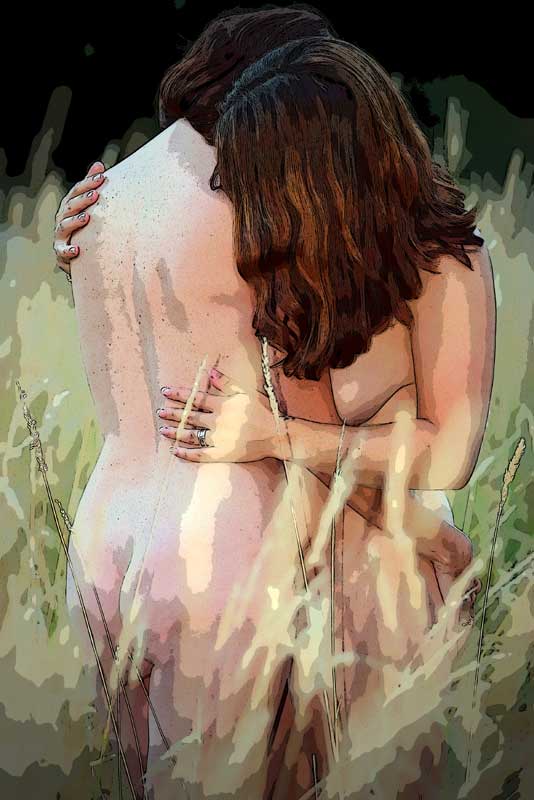
My philosophy lies somewhere off to the side of all this. I strive to get the image as close to the final product as possible as part of the initial in-camera exposure. In general, however, almost every image I publish will have some degree of post processing applied, though it's typically pretty minor. Usually it's a touch of sharpening and saturation, and if it's a high ISO image, some noise reduction. I try to shoot RAW image formats as much as possible so that I have as much data as possible to manipulate. I am not, however, against extensive post processing to produce a more graphical art type of image. In fact, I think that it's fun and I enjoy playing around with different techniques to produce those types of images.

Usually though, I take a minimalist approach and limit my manipulations to that necessary to subtlety improve the image and I try to make the post-processing indiscernible. Too much processing can render unnatural looking skin and make the model look like a plastic Barbie doll, or it can introduce easily noticed artifacts that detract from the overall look of the image.

The purist will tell you that the best images require no post-processing at all. I'm not sure Ansel Adams, Edward Weston and the other great photographers known for their film and darkroom skills would agree. I imagine that if they were alive and shooting digital today (and I'm sure they would be), they would embrace the computer as their new darkroom and would find the ability to appropriately manipulate their images without smelly and dangerous darkroom chemicals a great leap of technology and in creativity.

Saturday, January 05, 2008

An Old Favorite (NSFW)

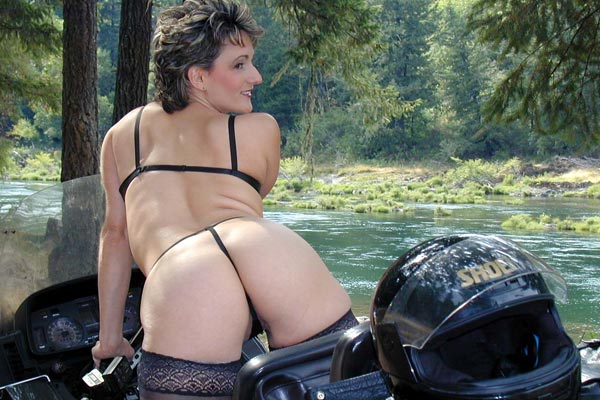
I don't know what it exactly it is with this photo that makes me love it so - well, besides the beautifully obvious - but it's always been one of my favorites, despite being shot with a simple point and shoot camera. I took this over eight years ago during a shoot with a very close and lovely friend of mine. We spent a day at a riverside park shooting all different kinds of photos. Her husband brought his motorcycle along, and we decided to do a lingerie and leather shoot utilizing the bike as the main prop. I also shot the images in medium format film, but actually the digital photos were much better. I can't say why, exactly, but it may simply be the way the film was scanned. This shot, however, just captured the whole set quite nicely. It's sexy and erotic without being over the top, and it shows off the models best (and favorite) asset. As I recall, she was quite pleased with the shot as well. Sometimes, everything just comes together and we get the one picture that exemplifies the whole shoot.

That isn't to say that the shot wasn't planned. In fact, the light was metered using a handheld incident light meter, the camera was set to those readings, and the model was posed specifically for this shot. But everything just seemed to coalesce to provide an excellent result.

There are a few things I would do differently if I could recapture the image, but given the limitations of the camera I was using, it was the best, I think, that could be done. I wish there was a bit more background blur, but with the very small sensor of a digital point and shoot camera, that wasn't really an option. I'd also have the model lift her chin a bit more to provide more separation between her face and her shoulder. I'd probably lower the visor on the helmet to remove the distracting reflections, and I might (but I'm not sure) have the model twist her body just a little less, but only if I could keep her hips in the same position.

By the way, the model is a wonderful lady, beautiful in body, face and personality, and loads of fun to work with, and  she is willing to try just about any pose suggested. I think we both had a great time shooting that day. I certainly know that I did.

Friday, November 23, 2007

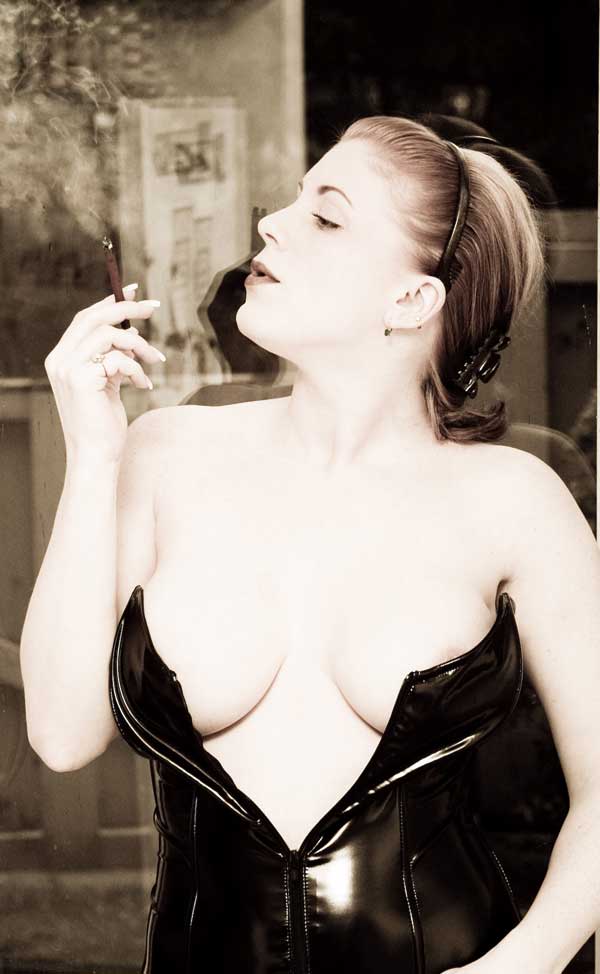
Pinup Photography

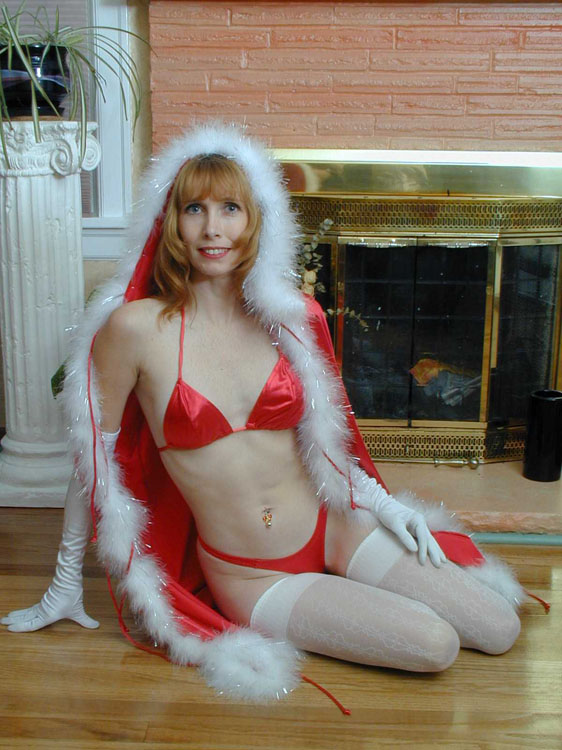
The other day a friend asked me aboutu 1940's and 50's style pin-up photography. She said they had never seen any on my site and wondered if I had ever done it. My answer to them was I had done it, but nothing recently and that it was a matter of costume, setting and lighting. After more thought, I realized that those three attributes determine the style or genre of any people photography.

In any event, I went looking through my archives to see if I could find any specific examples, and of my digital files, this is the closest I 've come to that genre of photography since moving to digital. I did find some slides done with other models that were closer to the style, but I've found that the older Ektachrome slides I used don't scan well to digital.

To be really more of a 50's pinup style, though, the model's pose in this photo needs to be more elongated, that is, her body should be stretched out with much more emphasis on the legs and torso. Additionally, the props need to be more closely aligned to the costume. In this case, a red toy sack and a Christmas tree background would be more appropriate.

So, I've been doing quite a bit of research on this style of glamour, and I think that will be one of my winter photos projects, i.e. to shoot a series of 1940's and 1950's style pinups. I'm working on getting access to the loft of a shop which may work out well for a winter photography studio. I have a number of models that will be willing to work with me for copies of the prints for the portfolios, or for a modest fee. It's really, then only a matter of buying the props and costumes and optimizing the lighting. I need to research the lighting styles a bit more, but I've ordered a couple of Bunny Yeager's books and those will provide good examples for what I'm trying to accomplish. With any luck, I'll be able to post a new entry here is a few weeks with some examples of these types of photos.

Friday, October 19, 2007

Sunsets

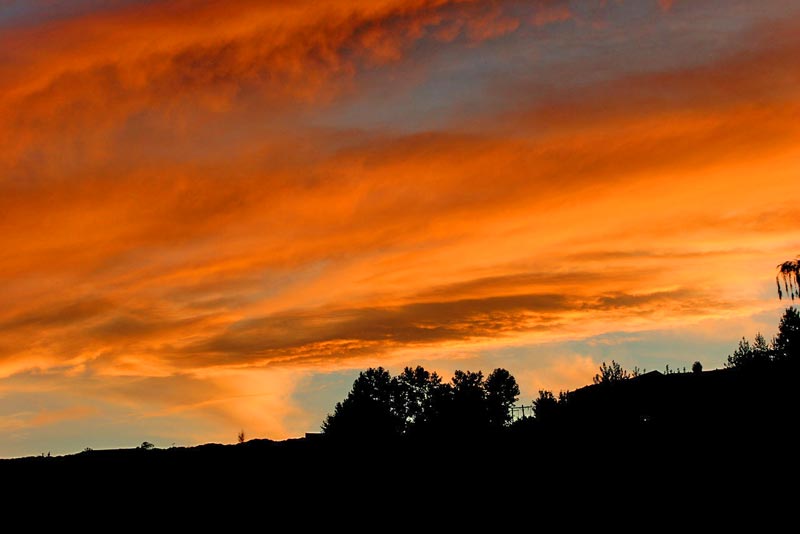
Most people love to photograph sunsets, and they can certainly be beautiful, but often the shots turn out to be very clichéd. The key to sunsets, I believe, is to find something different or unusual about the sunset - the weather conditions, the activity, the terrain - or anything to make the sunset just a little (or a lot) out of the ordinary.

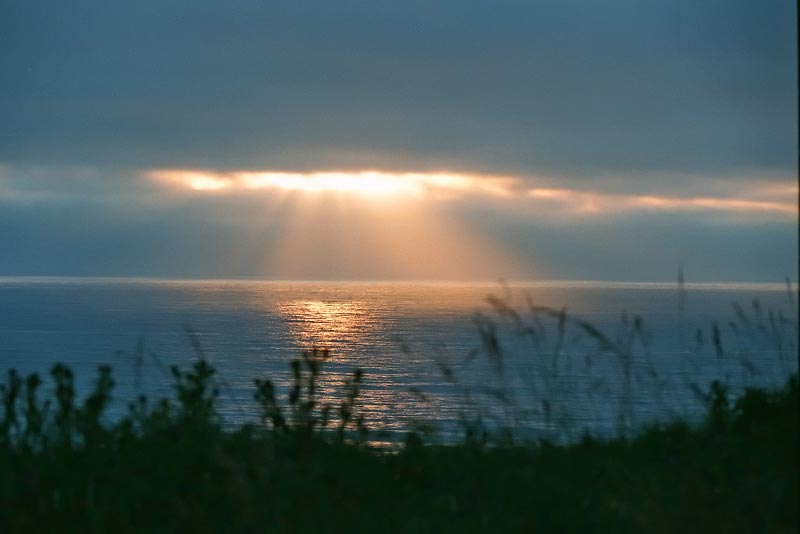
For me, a photograph of a sunset can vary in tone and the feeling it evokes. For example, this sunset is soft and puts me in a contemplative mood:


Pacific Coast Sunset during a storm

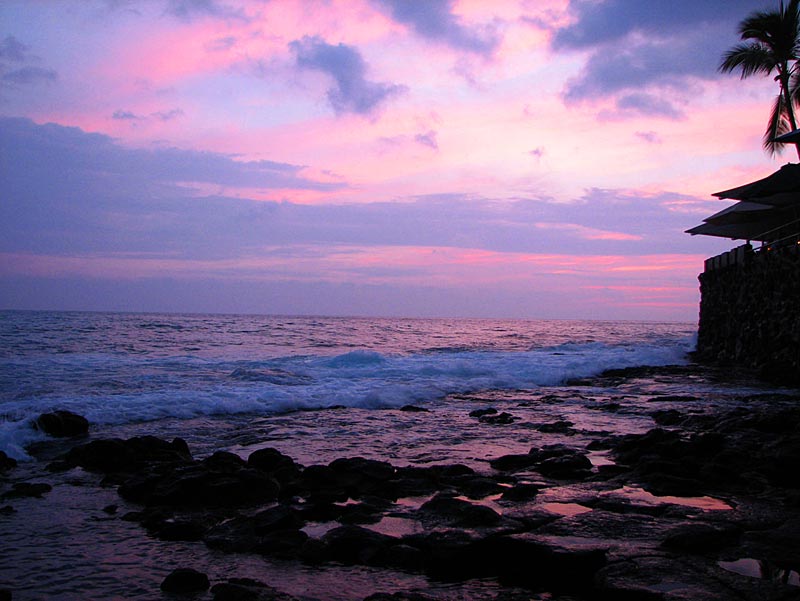
While this sunset has a slightly different nuance to it:


Sunset on the Big Island of Hawaii

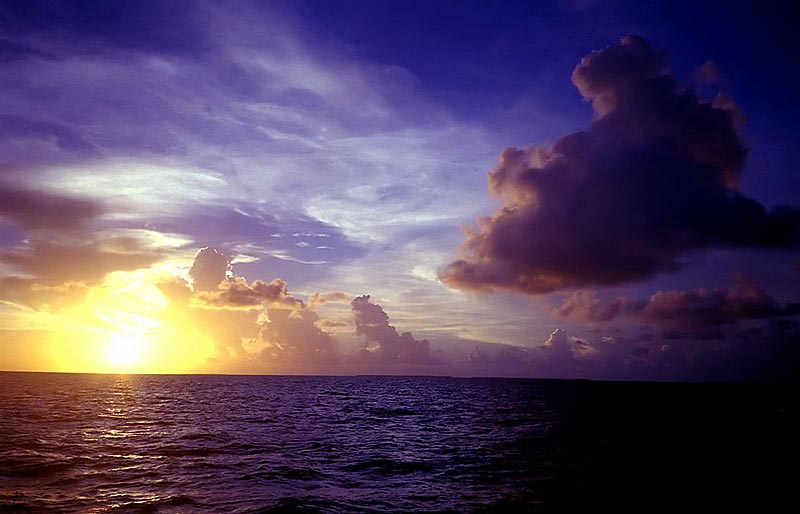
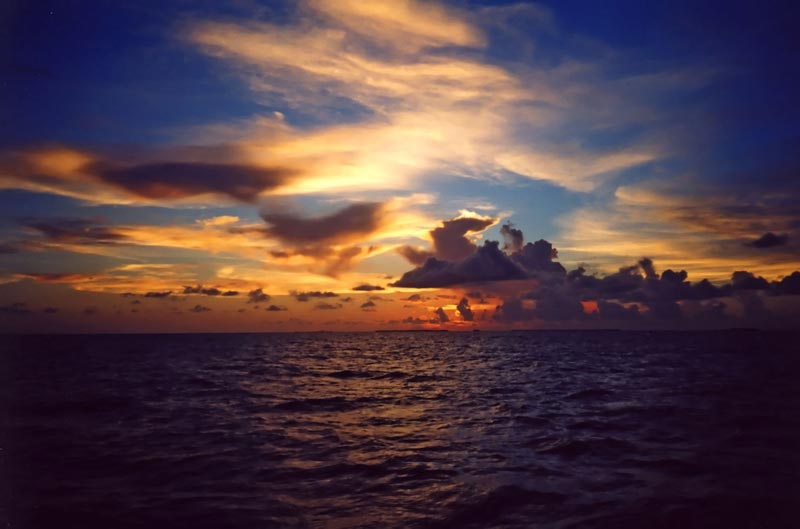
Sunsets can wonderful variations of colors such as these two from the Caribbean Sea:


Two views of sunset as seen from the deck of the USS Fury

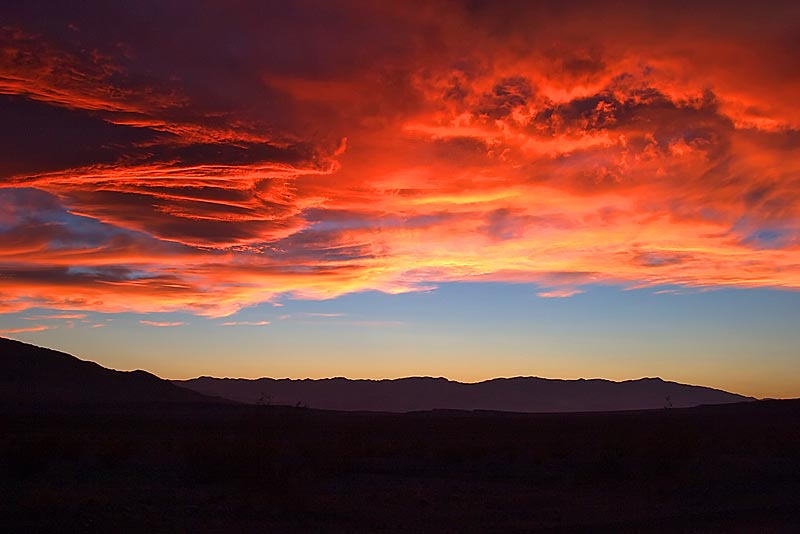
Sometimes with the sun goes down one color predominates and sets a mood or tone that's almost scary in it's intensity:


Death Valley Sunset

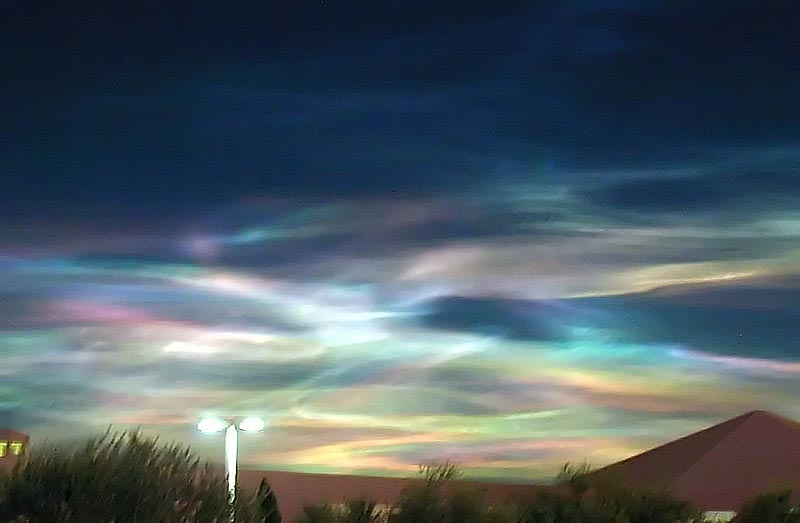
Sometimes sunsets can be very, very wierd:


Iridescent Sunset in Las Vegas

Or they can be very, very subtle in color and tone, yet still be beautiful and evoke feelings of quiet solitude:


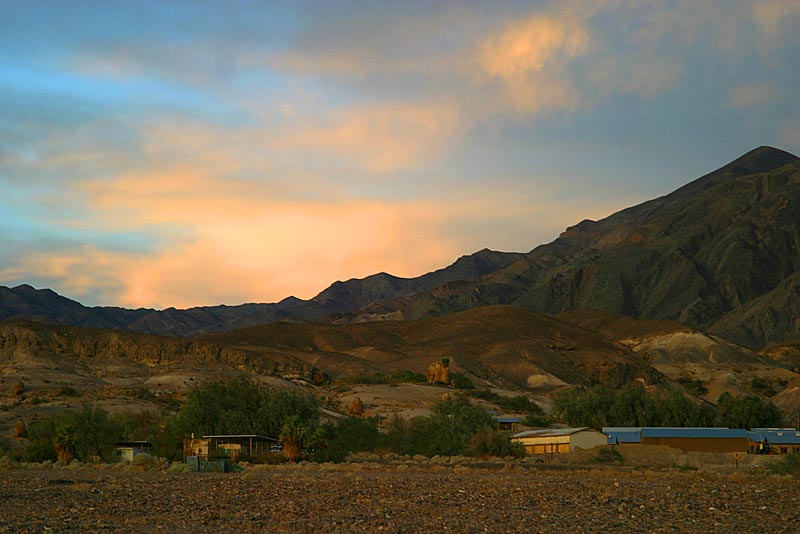
Dusk in Death Valley


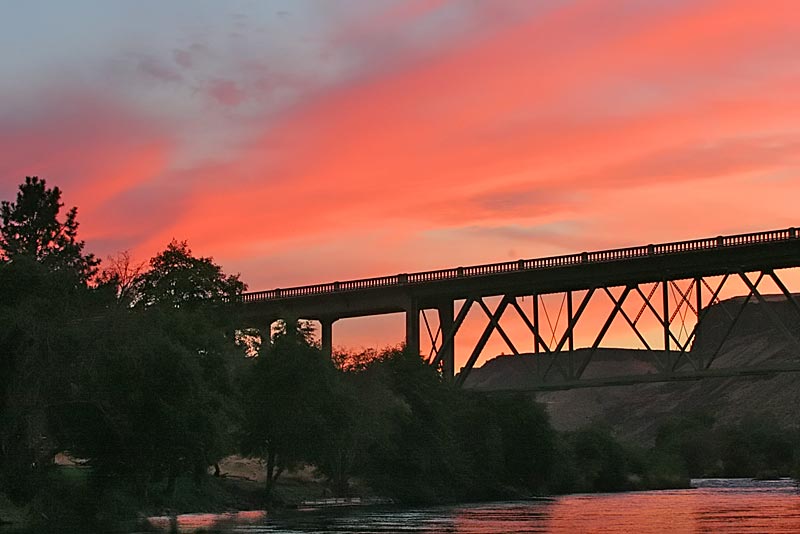
Sometimes sunsets can provide a feeling of serenity:


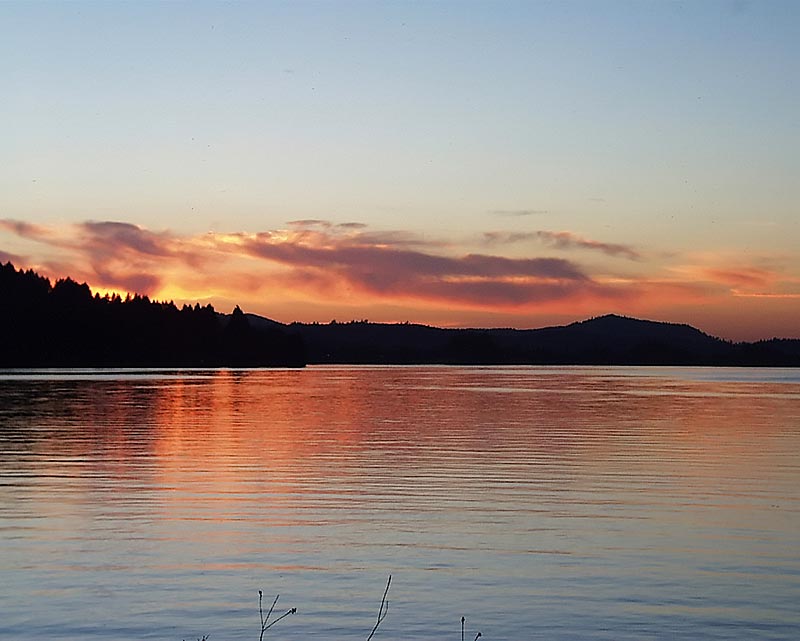
Oregon Sunset

While other sunsets can provide a sense of fun:


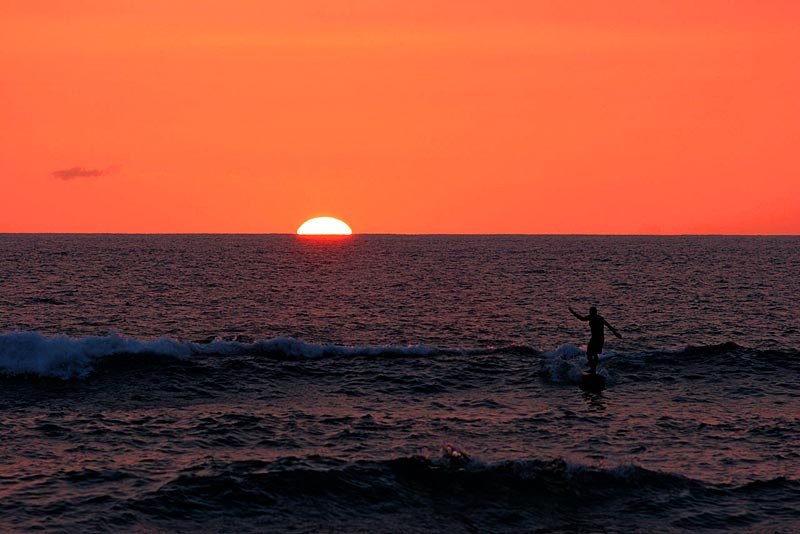
Sunset Surfer, Big Island, Hawaii


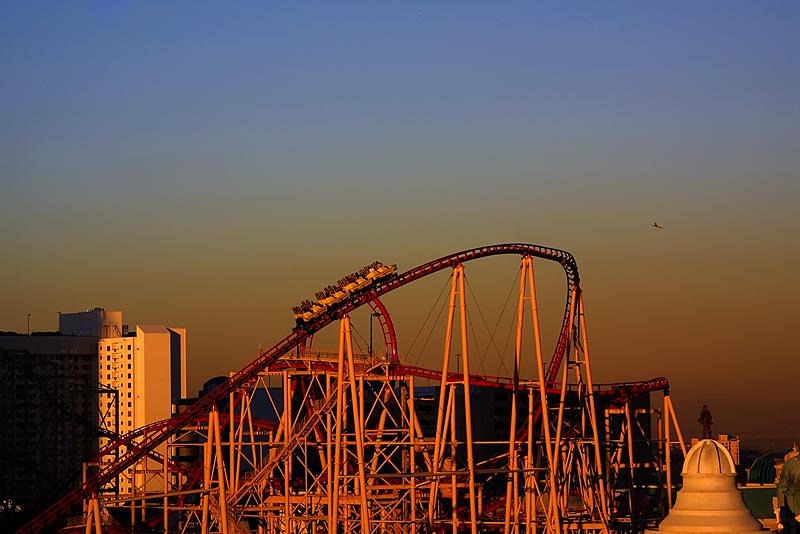
Sunset Riders, Las Vegas, Nevada


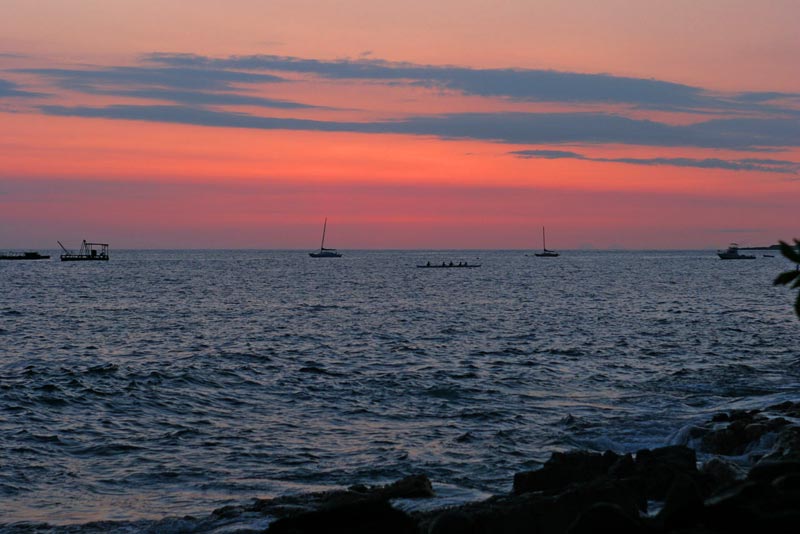
Outrigger Canoe Team Practice, Hawaii

Sometimes beautiful sunsets show up when you least expect them:


Two view of sunset in Maupin, Oregon


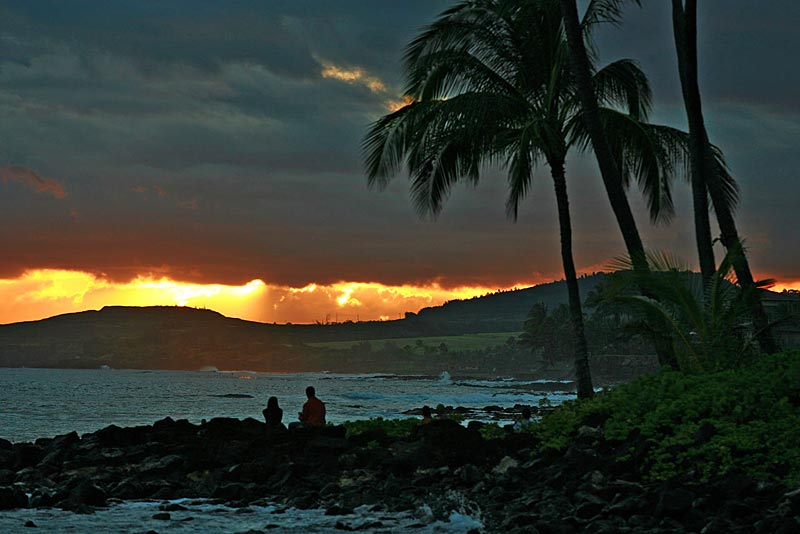
But no matter what, when you see a lovely sunset, you should take time to enjoy it with someone special.


A couple enjoying sunset on the island of Kauai

Thursday, October 18, 2007

Friends

Fortunately, over the years I've had quite a number of friends who have been willing to be my photographic subjects. Often their husbands or boyfriends were more than willing to assist me by holding reflectors, carrying extra cameras or lenses, or just staying out of the way. Most of the time they knew that by helping me, they were making their ladies happy and ensuring the photos from the session would be better for their efforts.

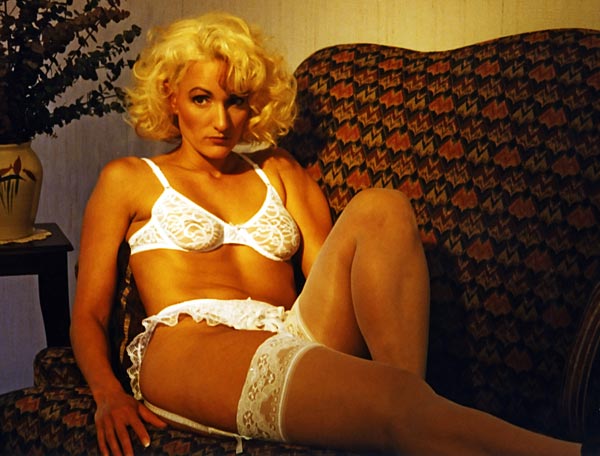
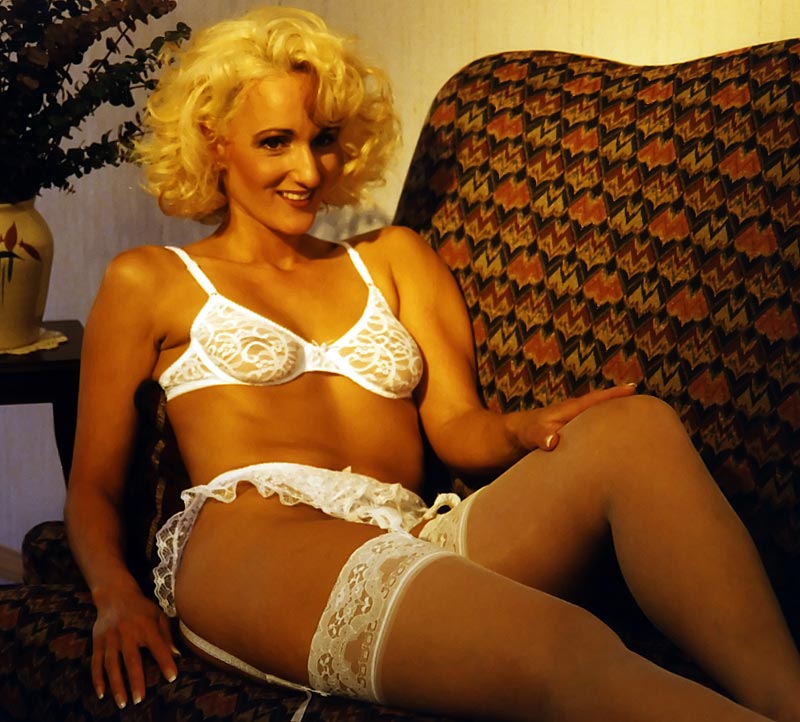
In the case of this photo, my friend Roberta was helping me with a budoir shoot. She was posing on a settee in my living room. While there was sufficient natural light from the windows and skylight in the room, I wanted more moody lighting, and so I instructed her husband to stand at the top of the stairwell with a small, golden reflector and to catch a portion of the light streaming from the skylight and to focus it on Roberta's upper body. This gave her a nice warm color that complimented her tan and set her body off from the white lingerie she wore for the shoot. The reflected light also provided more moody shadows and allowed the intensity to taper off toward the feet. All in all, it was a very fun and successful shoot.

Tuesday, October 16, 2007

Portraits

I enjoy shooting portraits. They can be very challenging images to make because a good portrait must not only be technically good, but it has to capture the personality of the person portrayed. This is quite difficult to do when working with only the head and shoulders of the subject (the classic portrait). I also find it more difficult to shoot male portraits. I think this is because, despite popular opinion, men are actually more self-conscious of their image and the whole portrait process. Or it may be that I simply have more experience with and relate better to shooting portraits of women.

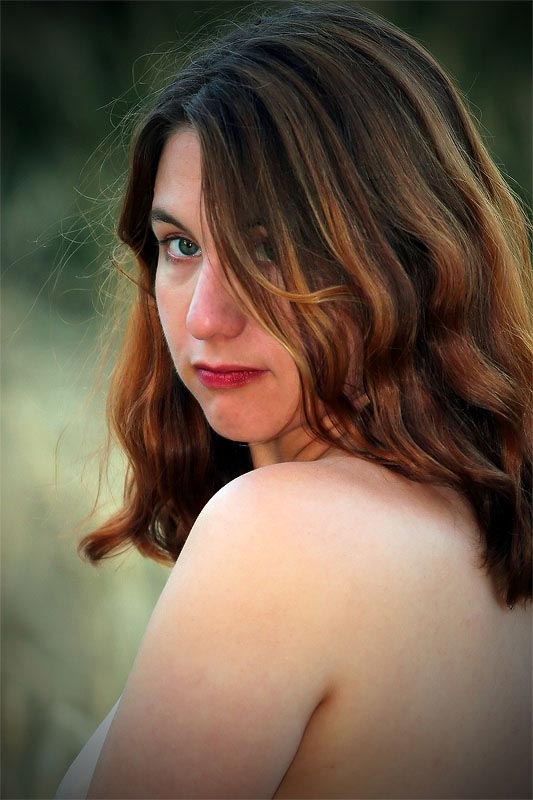
The two female portraits shot here were photographed on location at a friend's house late in the afternoon of a clear August day. The soft, low light contributed to the warmth of the photograph and provided the soft shadows that help define the portraits. The ladies were posed in a open, grassy area already turned a golden brown brown by Oregon's dry summer. The background was a large stand of evergreens.

A large aperture, a long focal length and a relatively close camera to subject distance was used to minimize the depth of field and throw the background out of focus. This isolated the models to make them stand out from their surroundings. The focus point was on the subject's eyes and a shutter speed was picked that would minimize camera shake for the focal length and sensor size used for the images.

An assistant with a large white reflector provided fill light to soften the shadows even further, and an external flash set to minimum was used to provide a small catchlight in the eyes.

The models were simply asked to look natural. As you can see, one lady smiled for the camera and the other did not. This isn't so much reflective of their personalities, but of their mood during the shoot. They both had fun shooting and were pleased with the resulting photographs, but one model was far more at ease during the shoot than was the other. Neither lady is a professional model (but one has had to put up with my cameras for many, many years).


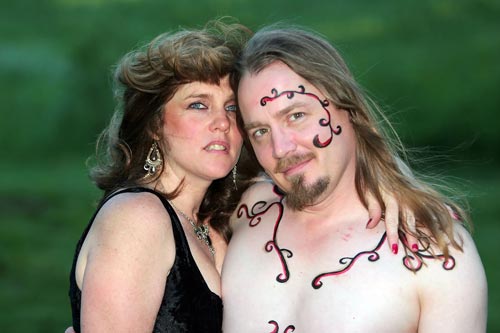
For the portrait of the couple seen above, many of the same techniques were used, but instead of a reflector, on-camera fill flash was utilized. Posing two people together isn't as easy as shooting one subject at a time, but the couple has a great dynamic and I think this shot works very well for them.